

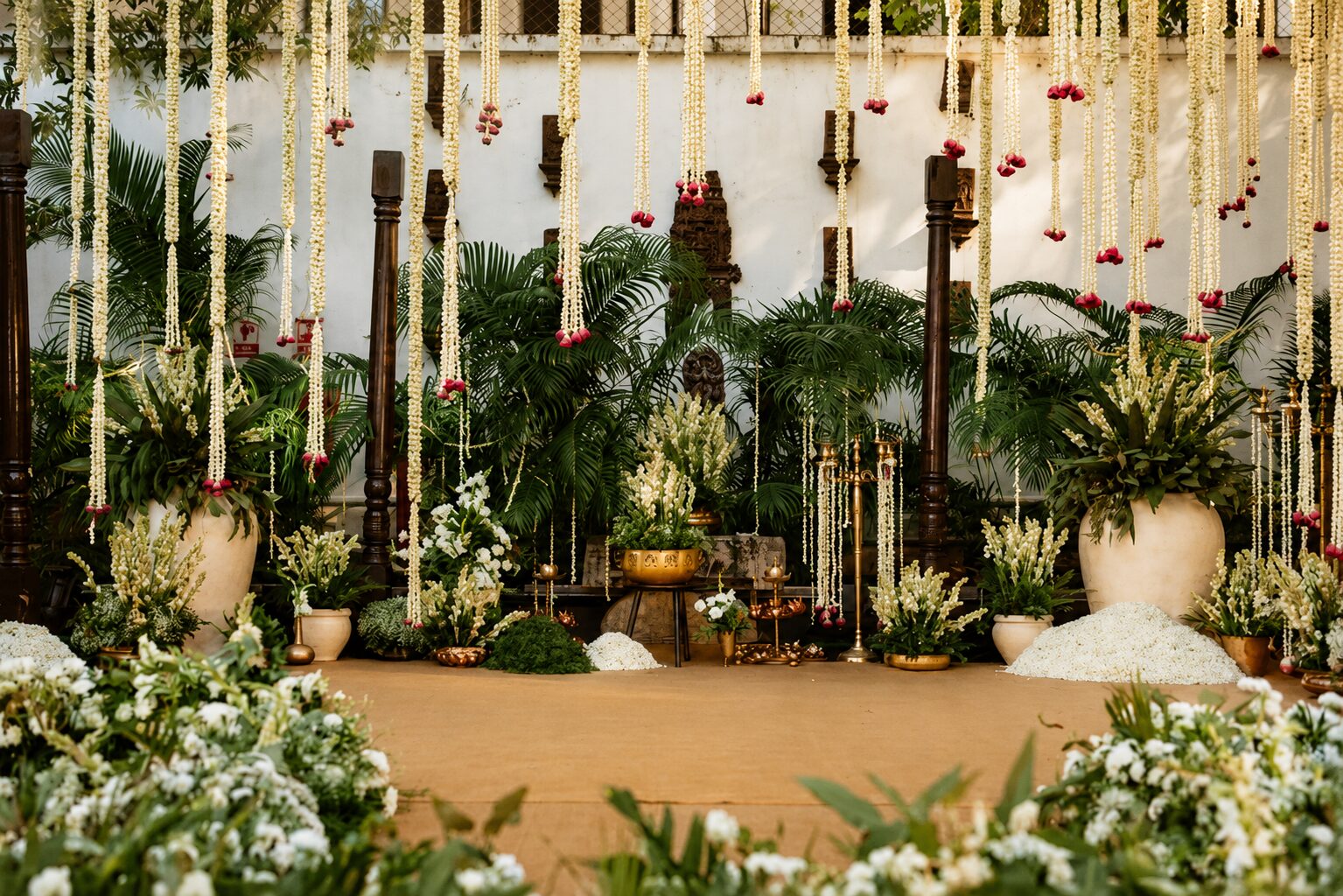
There’s a moment every Indian bride and groom know well — standing under the mandap, marigolds overhead, the whole room glowing gold. It’s the image we all carry into wedding planning. And if you’re anything like most couples starting this process, somewhere between the mood boards and the vendor calls, a quieter question creeps in: does all of this have to leave behind so much waste?
The good news is, it doesn’t. You don’t have to choose between a wedding that feels lavish and one that’s kind to the planet. Here are ten thoughtful decisions that let you have both.
Bamboo or jute mandap frames draped in cotton or silk hold their own quiet elegance and are biodegradable. Line the aisle with potted plants instead of petals — they photograph beautifully and guests love taking one home. Source marigolds locally and let them be composted or donated to a temple afterward instead of thrown out. For structural pieces, dried flowers and pampas grass don’t wilt, so one backdrop can carry across sangeet, haldi, and the reception. Old family sarees and dupattas make sentimental, waste-free drapes and table runners, while terracotta diyas, clay serveware, and banana leaf or areca palm accents suit daytime functions perfectly. And renting furniture, drapes, and structural props — rather than buying — keeps it all in circulation instead of the landfill.

Skip the paper, printing, and shipping altogether. Digital invitations can be just as beautiful and personal as a printed card, and guests rarely keep the physical ones anyway.
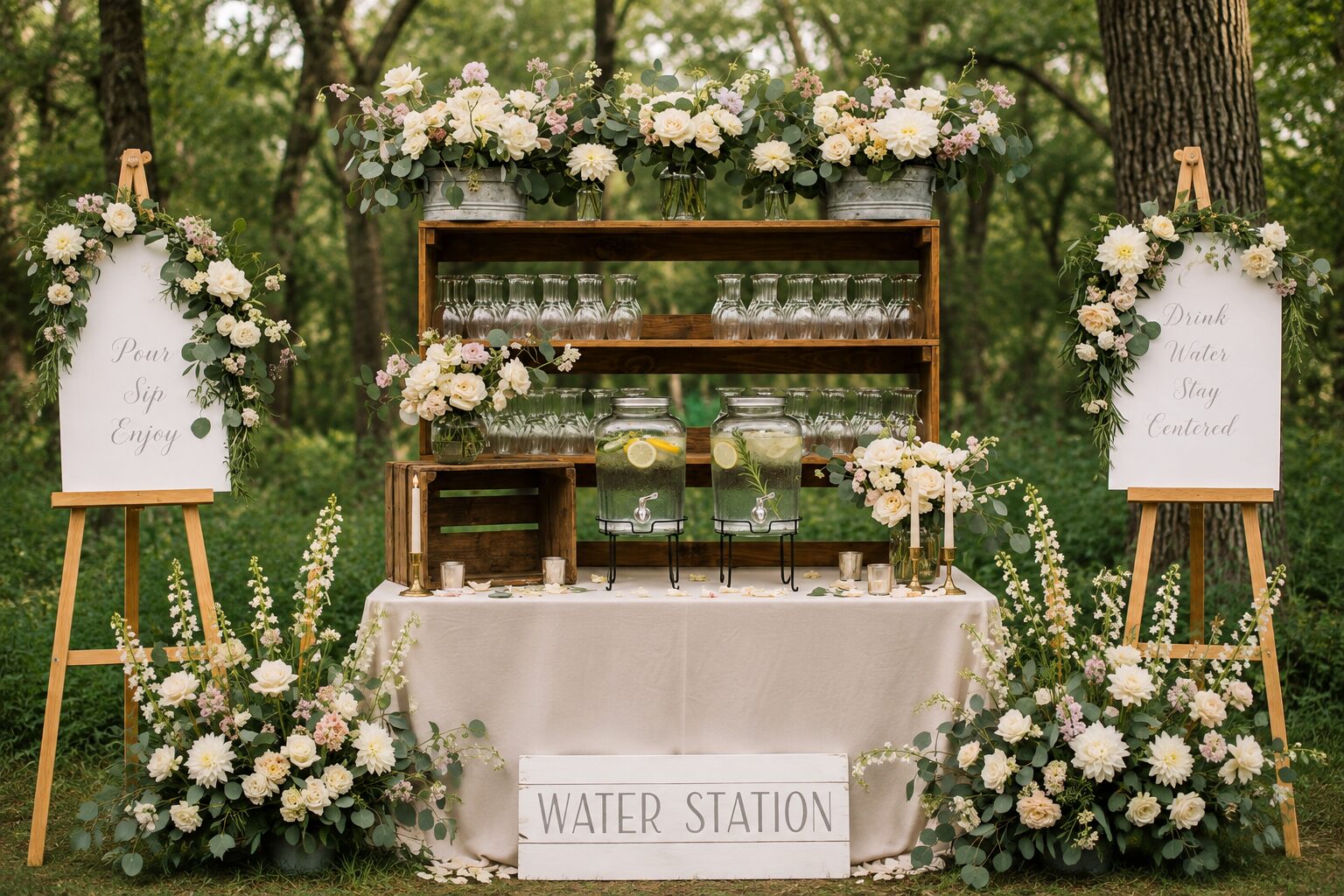
Replace stacks of single-use plastic bottles with water dispensaries at each venue. It’s one of the simplest changes that cuts a huge, often-overlooked source of waste.

Garlands and floral installations don’t need to end in the trash — they can be composted, donated to temples, or repurposed into potpourri and rangoli well after the ceremony ends.
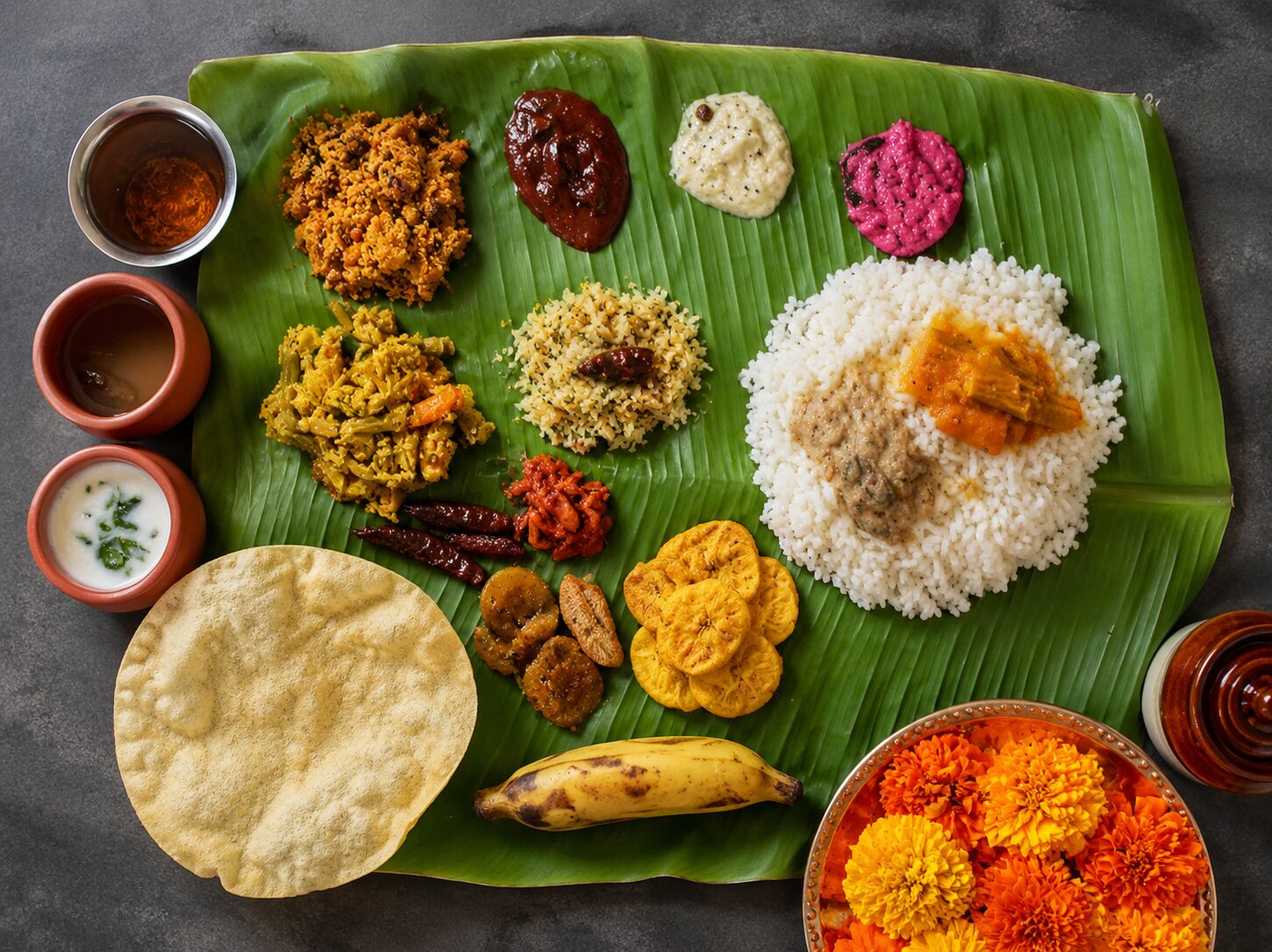
Base your catering on your real guest count and realistic consumption, not just tradition. It saves you from the mountains of food waste large weddings are known for, without anyone leaving hungry.
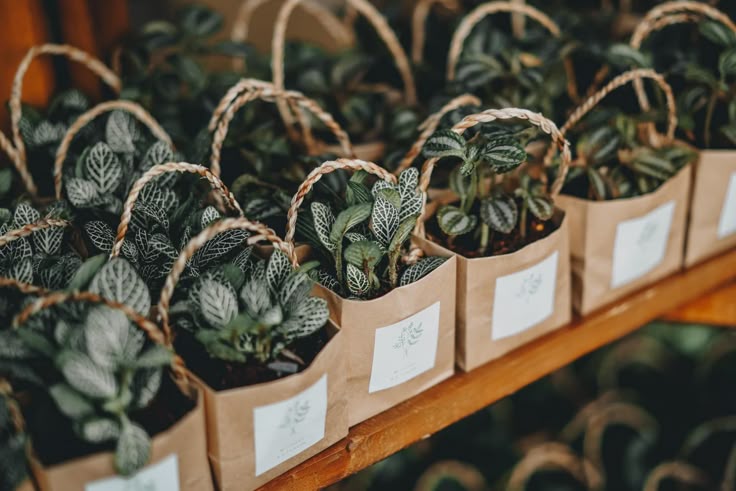
Potted plants, handmade pieces from local artisans, and reusable lifestyle products make favors people actually keep and use — not the kind that end up forgotten in a drawer.
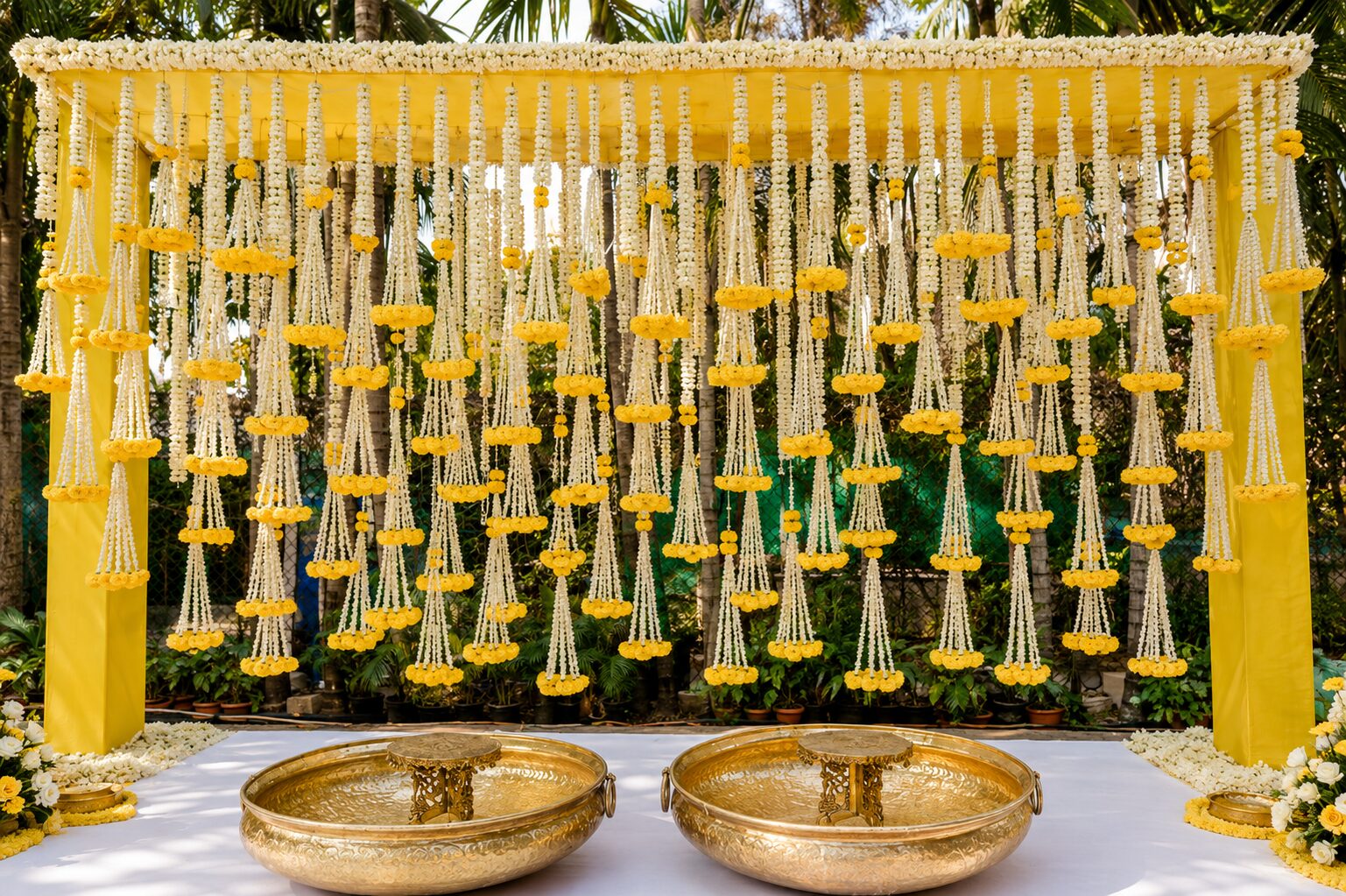
Move functions like Haldi or Mehendi into daylight hours instead of the evening. You’ll cut down significantly on the electricity that lighting and cooling usually demand.

Swap plastic plates and utensils for biodegradable alternatives across every function. Most guests won’t even notice the difference — the food will taste just as good.

Arrange shared shuttles or group transportation for guests travelling between hotels and venues. It reduces the number of cars on the road, cuts emissions, and makes getting around during a multi-function wedding easier for everyone.
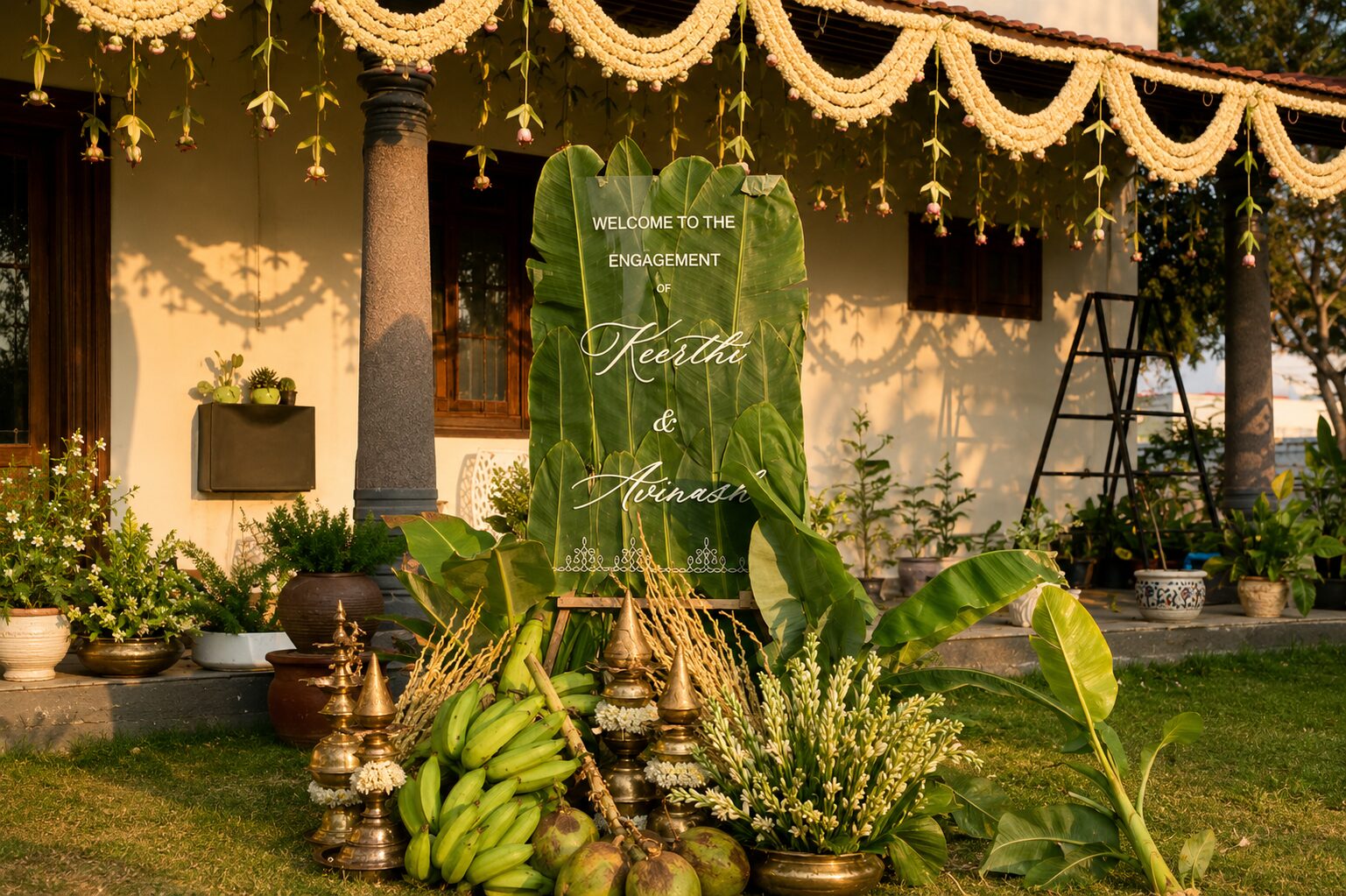
Ask decorators and caterers directly how they handle leftover materials, whether they source locally, and if they reuse their inventory. A growing number of vendors now specialize in low-waste weddings and can guide you through it without any compromise on beauty.
None of this means dimming the color or the joy that make Indian weddings what they are. It just means being a little more intentional about where things come from and where they go afterward. The result is a wedding that feels just as radiant — and one you can look back on knowing it was as thoughtful as it was beautiful.