


There is a particular kind of silence that falls over a planning meeting when a wedding planner asks, “And what’s your plan if it rains that afternoon?” It’s not a dramatic question. It’s asked gently, almost in passing. But it’s often the first time a couple has considered it at all.
Most engaged couples arrive at planning with a clear picture of what they want the day to feel like — the colors, the music, the food, the way the light will fall during the ceremony. What they don’t yet have a picture of is everything that happens in the margins: the hour between the ceremony and the reception, the moment a child grows restless during the vows, the guest who forgot their blood pressure medication at home. These are the details that rarely make it onto a mood board, and yet, according to the planners who’ve seen hundreds of weddings unfold, they’re the details that most often determine whether a day feels effortless or frantic.
Here is what they wish every couple would think about, months before the invitations go out.
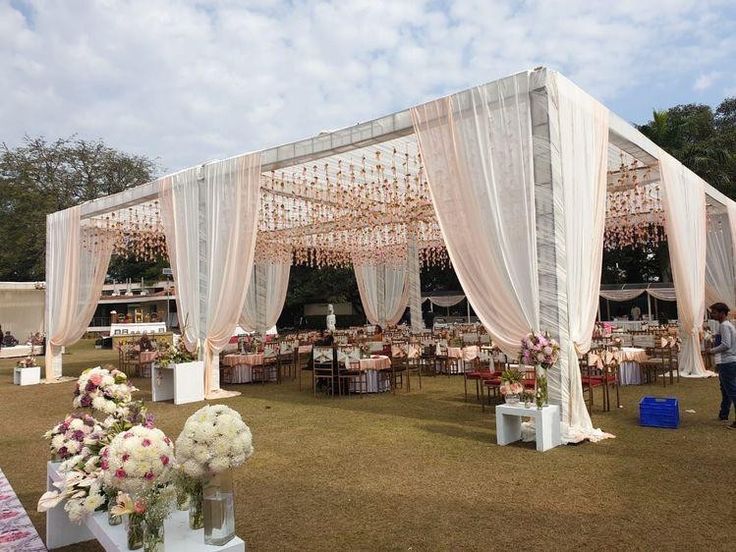
Outdoor weddings have a particular magic — open skies, natural light, the sense of space. They also have a particular vulnerability. Experienced planners don’t ask if you need a backup plan; they ask what it looks like, in detail, before the venue contract is signed.
A real backup plan isn’t a vague mention of “we’ll move things indoors.” It’s a tent that’s already been reserved and priced, a covered alternative space that’s been walked through in person, and a clear decision point — a specific hour, agreed upon in advance, by which the call will be made. Weather in most parts of the country doesn’t wait politely for a wedding day; the planners who’ve weathered the worst of it will tell you the couples who stayed calm were the ones who never had to improvise. The plan was already sitting quietly in a folder, ready to be pulled out.

A schedule printed on paper looks orderly. A schedule lived through, hour by hour, rarely is. Hair and makeup run long. The photographer needs ten more minutes with the light. Guests linger over one course longer than expected. Every single one of these delays is minor on its own — and every planner has watched them compound into something that isn’t minor at all.
The most seasoned coordinators build in what they sometimes call “invisible time” — fifteen to thirty minutes of slack between each major event that exists on no guest-facing itinerary but quietly absorbs the friction of real life. It’s the difference between a day that breathes and a day that’s constantly catching up with itself.

There is a version of every wedding day that a photograph never captures: a torn hem, a headache, a stain on a sleeve, a low phone battery at exactly the wrong moment. These aren’t catastrophes. They’re just what happens when a few hundred people spend an entire day in formalwear, in the heat, in front of a camera.
An emergency kit — thoughtfully assembled, not improvised at the last minute — tends to include the practical (safety pins, fabric tape, blotting sheets, a sewing kit, pain relievers, mints, a portable charger) and the personal (whatever a couple knows about their own tendencies to run cold, get overwhelmed, or lose track of small items). Planners often keep one on hand as a matter of course. The couples who bring their own, tailored to their specific day, are rarely the ones who need to ask a stranger for help.
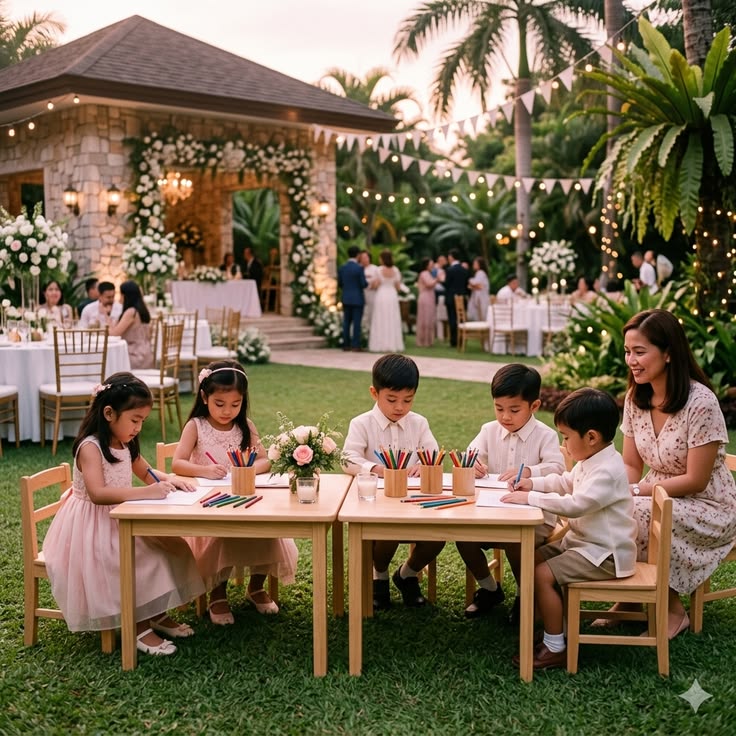
Children bring a kind of unguarded joy to a wedding that adults, dressed and composed, often can’t. They also bring restlessness, and restlessness during a long ceremony or an even longer reception has a way of becoming everyone’s problem, not just the parents’.
A quiet activity table — coloring books, simple puzzles, a small supervised corner with someone assigned to watch it — tends to solve more than a full evening of frustration ever could. It’s a small allocation of thought that pays back in an unmistakable way: parents who can actually be present, and a room that stays gentle rather than fraying at the edges.
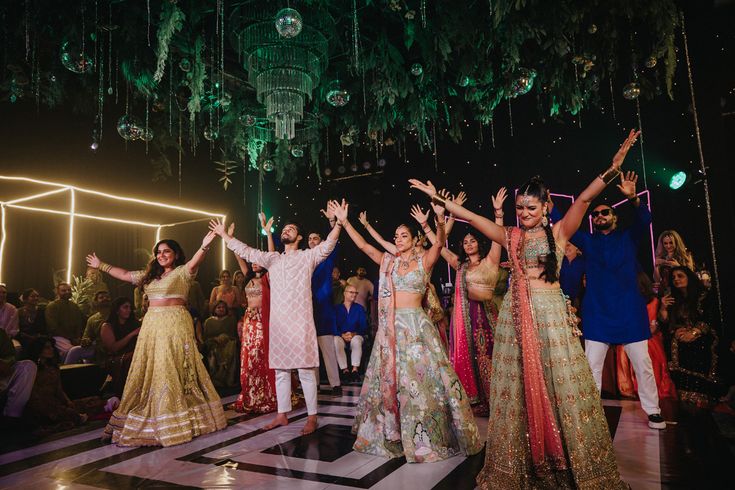
This is the detail that tends to surprise people the most, because it has nothing to do with taste and everything to do with regulation. Many venues, particularly those situated near residential areas, operate under strict local ordinances about amplified sound after a certain hour. A couple who has planned an evening of music without checking this detail can find themselves, mid-celebration, being asked to lower the volume or shut it down entirely.
The fix is unglamorous but essential: read the venue contract closely, ask directly about curfews and decibel restrictions, and build the evening’s musical arc around them rather than against them. A celebration that tapers gracefully into a quieter final hour feels intentional. A celebration cut short by an outside authority does not.
For weddings held outdoors during the warmer months, heat isn’t a minor discomfort — it’s a genuine logistical concern. Guests in formal clothing, standing for long stretches, in direct sun, are at real risk of feeling unwell. Add wind-blown dust, common at many open-air venues, and the discomfort compounds further.
Thoughtful planners build in shaded seating wherever possible, ensure water is visible and accessible rather than tucked away, and time outdoor portions of the day around the coolest hours available rather than the most photogenic ones. For venues where dust is a known issue, some couples arrange for the grounds to be lightly watered down before guests arrive. None of this is romantic to plan. All of it is what allows the romance of the day to actually be felt, rather than endured.