
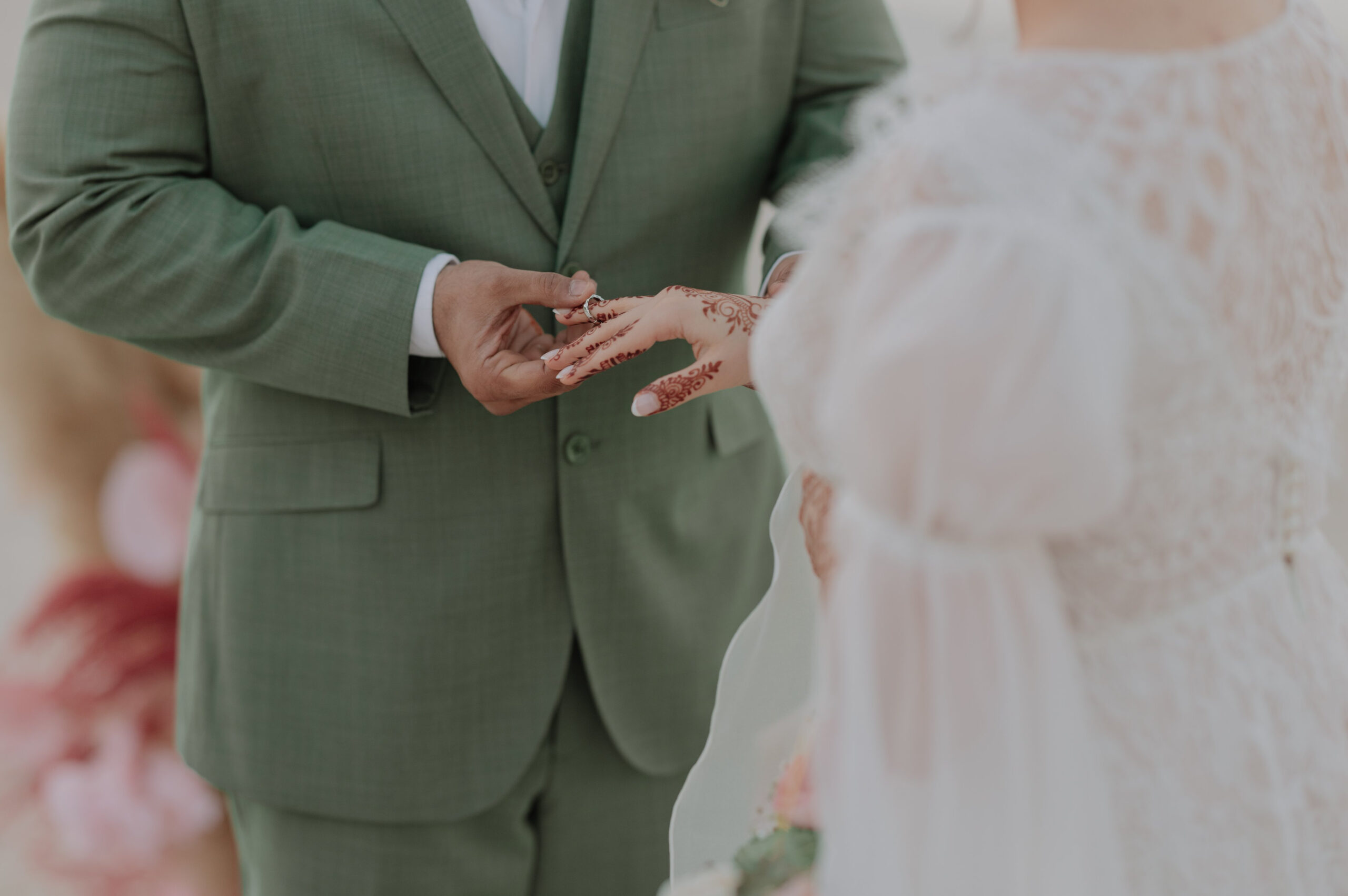
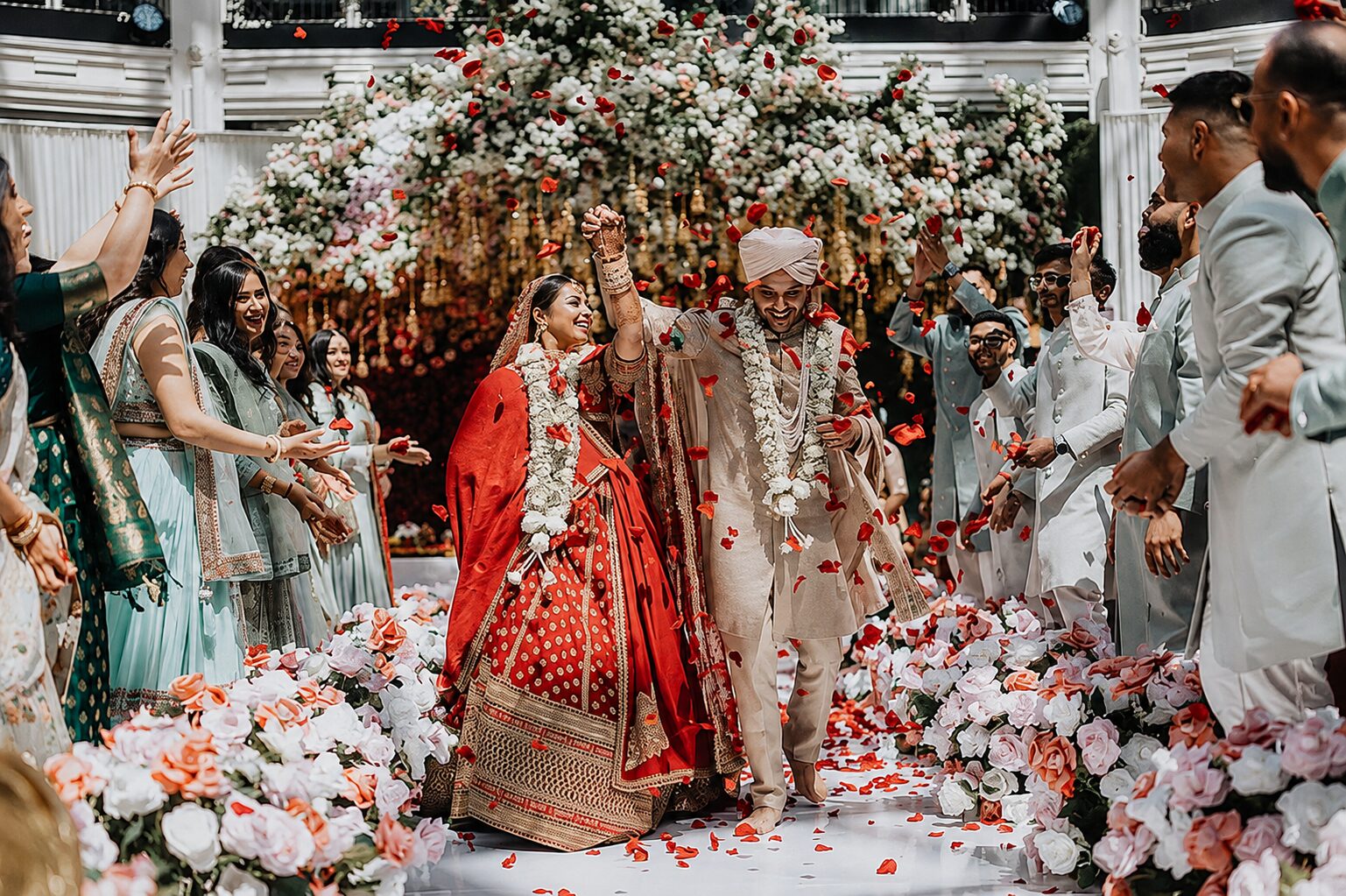
There’s a particular kind of magic that happens in the days before a wedding — before the big lehenga, before the pheras, before the “I do.” It lives in the ceremonies that come first: the ones held in courtyards and living rooms, with aunties singing off-key and someone’s grandmother stealing the show. These are the pre-wedding rituals, and if the wedding day belongs to the couple, these days belong to everyone who loves them.
Here’s an intimate look at three of the most beloved: Mehendi, Sangeet, and Haldi.
These rituals trace back centuries, rooted in Vedic and regional folk traditions long before they became modern wedding-week staples. Henna, turmeric, and communal singing were originally seen as protective and purifying acts, meant to ward off misfortune and bless the couple ahead of a major life change. Over generations, each region shaped its own version — Punjabi Sangeets, South Indian Haldi customs, Rajasthani Mehendi styles — which is why the ceremonies look so different from one wedding to the next. What started as intimate, practical rituals performed at home has since grown into the elaborate, celebration-worthy events we know today.
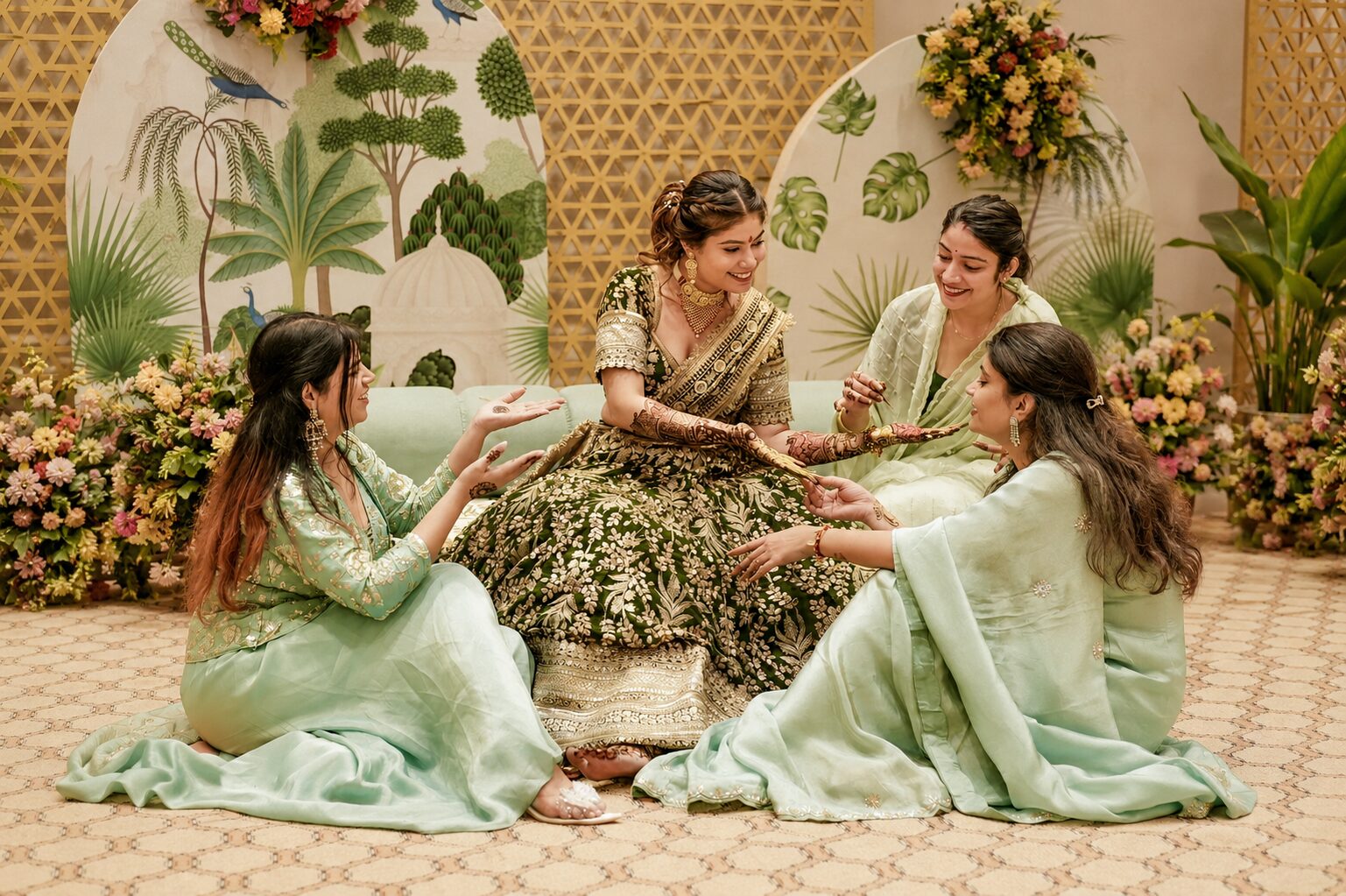
Mehendi is often the softest of the pre-wedding functions — a morning or afternoon spent in one place, hands outstretched, henna cones moving in slow spirals across skin. It’s less about spectacle and more about stillness.
The ritual itself is simple: intricate henna designs are painted onto the bride’s hands and feet, often extending up her arms, sometimes onto the groom’s hands too in a smaller, simpler pattern. Somewhere in the swirls, the artist will usually hide the groom’s initials or name, tucked into the design for him to find later — a little private joke shared between the couple.
What makes Mehendi feel intimate is the waiting. The bride can’t do much with wet henna on her hands, so she sits — fed by her sisters, fussed over by her mother, teased by her cousins. Someone puts on music. Someone else brings snacks. It becomes less a ceremony and more an afternoon of company, the kind where conversations wander and nobody’s in a hurry.
There’s an old belief that the darker the henna stain, the deeper the love between the couple, or the stronger the mother-in-law’s affection for the bride, depending on which relative you ask. Nobody quite agrees on the origin of the saying, but it’s repeated at every Mehendi anyway, half in jest, half in hope.
What to expect: low-key styling — florals, mirror work, comfortable seating — because everyone will be there a while. Bring a good playlist and better snacks.
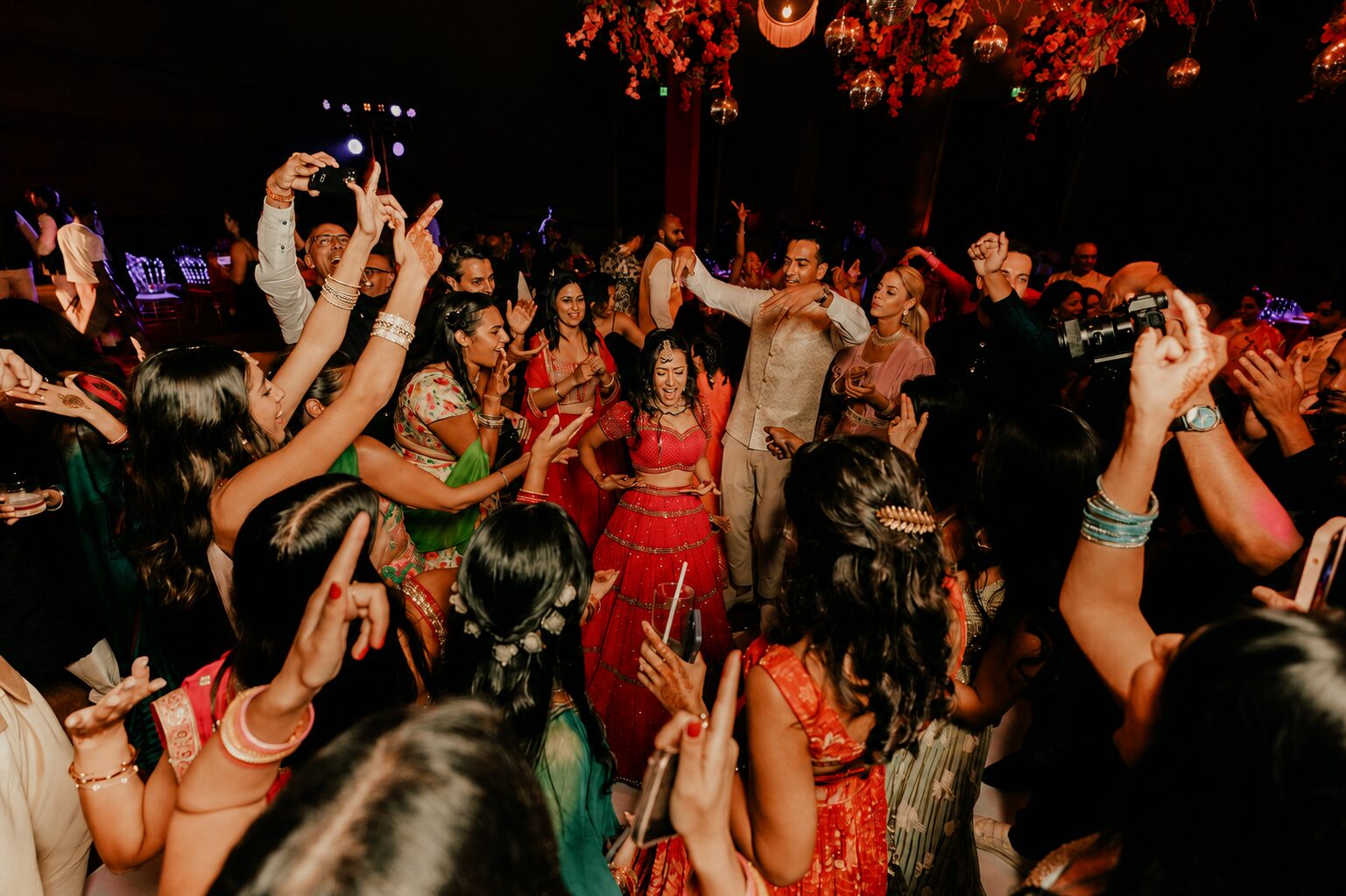
If Mehendi is quiet, Sangeet is its opposite — loud, warm, a little chaotic in the best way. The word itself means “sung together,” and that’s more or less what happens: family and friends performing songs and dance routines they’ve rehearsed (or not) for weeks, all in honor of the couple.
Traditionally rooted in Punjabi and North Indian customs, the Sangeet has, over the decades, become one of the most anticipated events across most Indian weddings, regardless of region. It’s the night where the shy cousin somehow ends up leading a Bollywood number, where dads attempt hip-hop, where the bride and groom’s friend groups quietly compete over whose performance gets the loudest cheer.
What’s lovely about Sangeet, underneath all the choreography, is what it actually represents: two families meeting each other not across a negotiating table but on a dance floor. It’s often the first time both sides really let loose together, and there’s something tender in watching people who were strangers a season ago now singing the same songs off the same lyric sheets.
Older generations play their part too — folk songs like sohar or ghoomar, depending on the region, sung by mothers and grandmothers who remember the words without needing to look. It’s a reminder that this ceremony existed long before choreographed reels and coordinated outfits, back when it was simply women gathering to sing the bride toward her new life.
What to expect: rehearsed dances, open mic energy, and at least one performance that runs long because everyone’s having too much fun to stop.
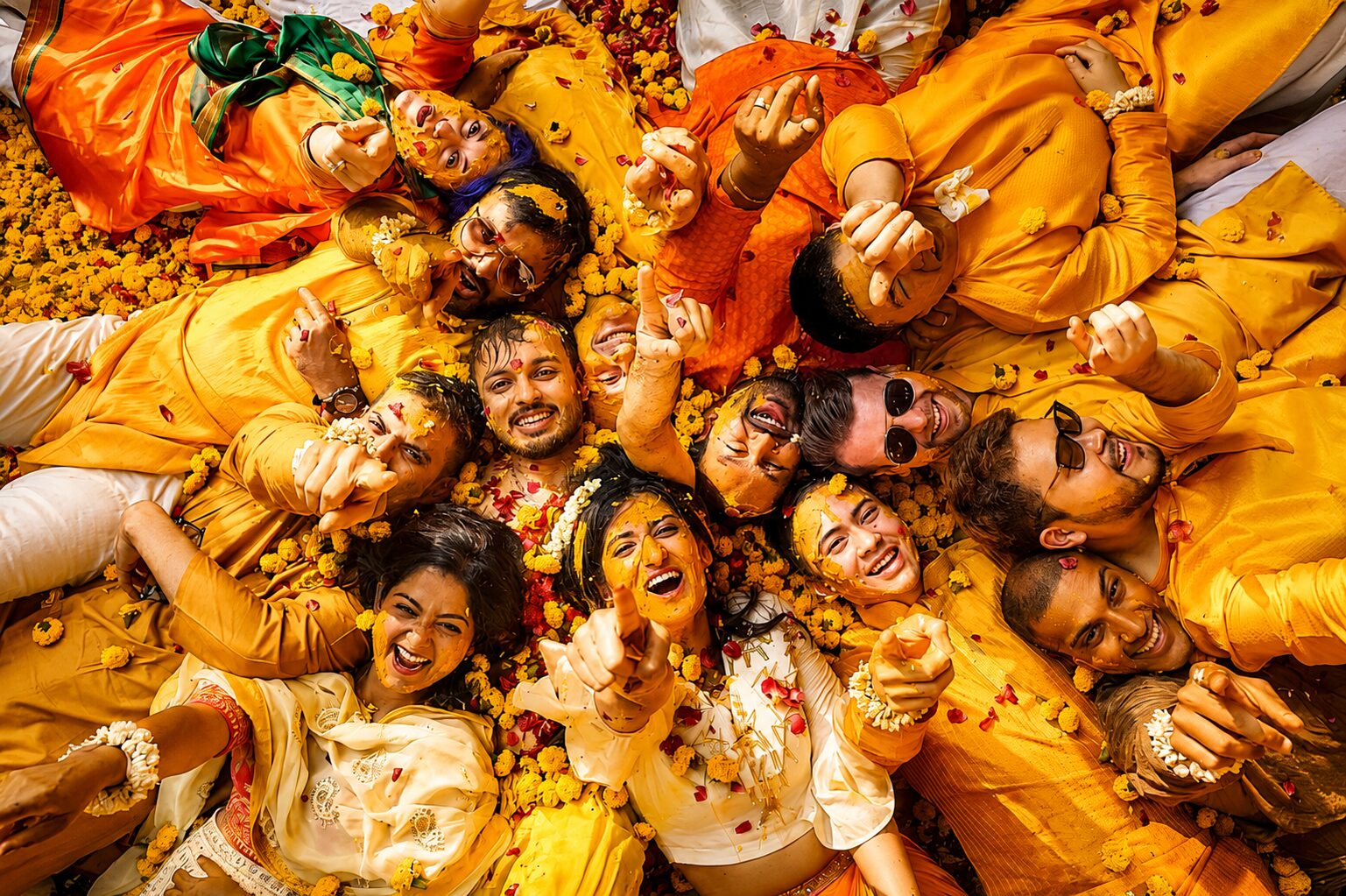
Haldi is the ceremony that gets everyone covered — quite literally — in a bright yellow turmeric paste, usually mixed with sandalwood, rosewater, and a little oil. It’s applied to the bride and groom (often at separate homes, sometimes together) by family members, starting with the most senior and moving down.
The turmeric itself isn’t just decorative. It’s believed to cleanse and purify, to bring a natural glow to the skin before the wedding day, and to ward off evil eye or bad luck. Historically it also had a practical side — turmeric’s antiseptic properties were thought to calm pre-wedding nerves and protect the skin.
But ask anyone who’s been to a Haldi, and they’ll tell you it’s less about the paste and more about the laughter that follows it. Once the formal blessing is done, Haldi tends to dissolve into a paste-throwing free-for-all — family members smearing it on each other, someone inevitably getting a fistful down the back of their shirt, the bride or groom trying and failing to stay dry. It’s one of the few ceremonies where dignity is optional and everyone seems relieved about that.
There’s real tenderness in the formal part, though — the moment before the chaos, when an elder gently dabs turmeric on the bride’s forehead and murmurs a blessing, or when a younger sibling nervously applies it to the groom’s hands for the first time. It’s a small gesture that carries the weight of everyone’s hopes for the marriage ahead.
What to expect: old clothes, yellow stains that don’t fully wash out, and a photo album’s worth of unplanned, unposed joy.
None of these functions are legally or religiously required the way the main wedding ceremony often is. And maybe that’s exactly why they feel so personal. Mehendi, Sangeet, and Haldi aren’t about vows or witnesses — they’re about the people who show up in the days before, who sit through the henna, learn the dance steps, and let themselves get covered in turmeric, just because they love you.
If the wedding day is the destination, these ceremonies are the drive there — messier, funnier, and somehow more memorable for it.
Whether you’re planning your own celebrations or just love learning about the traditions behind them, these three days offer something rare: a chance to slow down, gather close, and celebrate long before the final “I do.”