

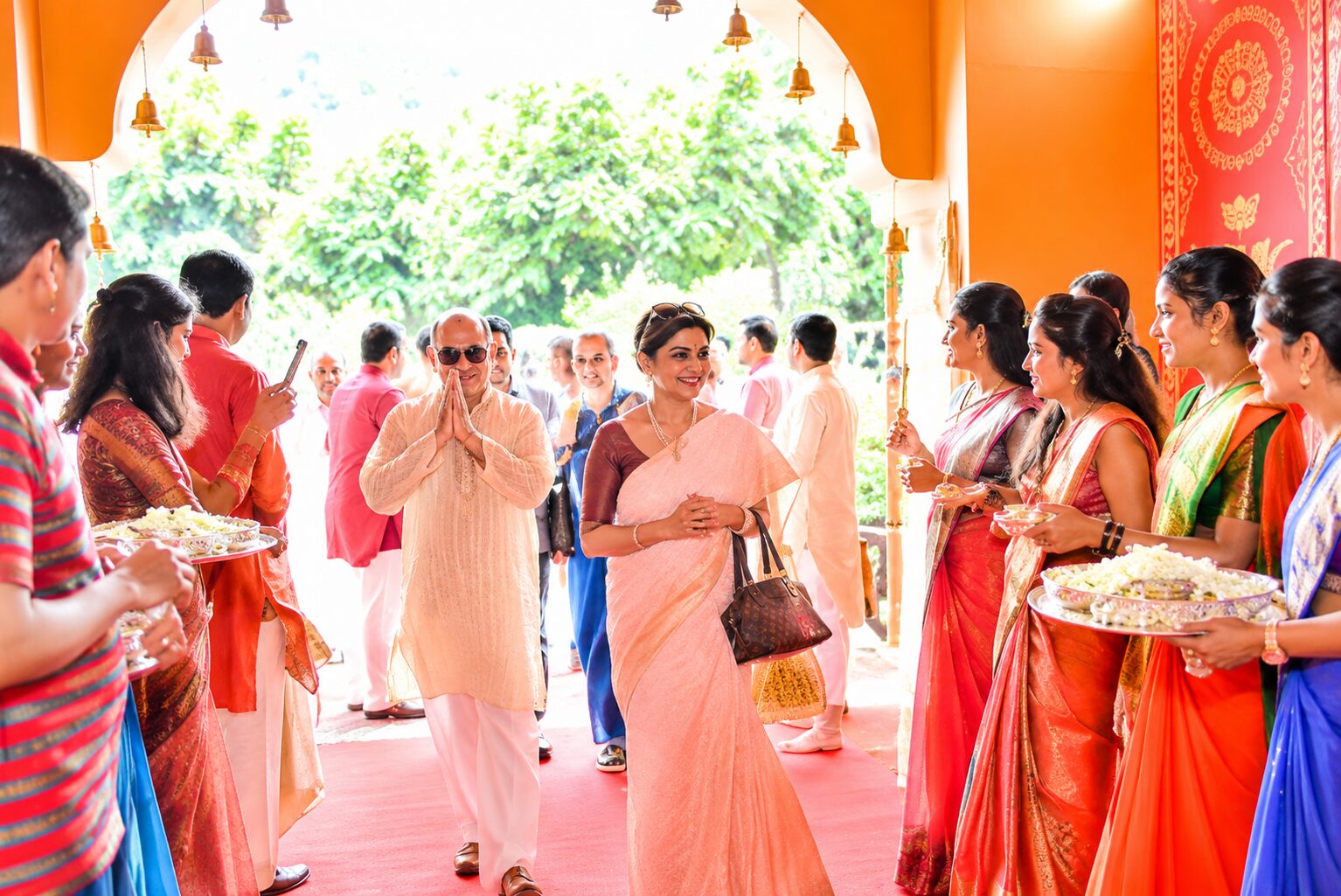
An Indian wedding is more than a celebration of two people coming together. It is a gathering of families, friendships, traditions and memories, often bringing guests from different cities, countries and generations under one roof.
While beautiful décor, elaborate outfits and grand venues are important elements of an Indian wedding, what truly makes a celebration unforgettable is how it makes people feel. Did your guests feel welcomed? Were they comfortable throughout the celebrations? Did they feel included, considered and genuinely cared for?
The most memorable weddings are not necessarily the most extravagant. They are the ones where every detail feels intentional. For couples and families planning a wedding, creating an exceptional wedding guest experience should be just as important as selecting the perfect venue or designing the décor. Here are some thoughtful and practical ways to enhance guest hospitality at Indian weddings and create a celebration that leaves a lasting impression.
1. Make the Welcome Personal with Handwritten Notes and Thoughtful GesturesFirst impressions set the tone for the entire wedding experience. Whether guests are arriving at a destination wedding in Rajasthan or checking into a hotel for a wedding in Bengaluru, a personalised welcome can instantly make them feel valued. One of the simplest yet most meaningful gestures is a handwritten welcome note. Instead of a generic printed card, consider leaving a personal message in each guest’s room. A note thanking them for travelling, acknowledging their relationship with the couple or sharing a special memory adds an emotional touch that no elaborate gift can replace.
Ideas to make wedding welcomes more memorable:
* Handwritten notes from the couple or their families.
* Personalised welcome hampers featuring local snacks, sweets, beverages and useful essentials.
* Custom wedding itineraries outlining the functions, timings, venues and dress codes.
* A welcome drink and refreshments upon arrival.
* Small gifts inspired by the wedding destination, such as locally crafted keepsakes.
For destination weddings in India, welcome hampers can also include sunscreen, hydration sachets, comfortable footwear, weather-appropriate accessories or other practical items.
The goal is not simply to impress guests with gifts but to communicate that their presence genuinely matters.
2. Plan Seating Arrangements That Encourage Comfort and ConnectionSeating arrangements are often treated as a logistical requirement, but they can significantly influence how guests experience a wedding. At Indian weddings, guest lists frequently include extended families, childhood friends, colleagues, elderly relatives and guests travelling from different parts of the world. Thoughtful seating helps everyone feel comfortable, included and connected. For a wedding reception or formal sit-down dinner, consider grouping guests based on familiar relationships, shared interests and conversational compatibility. Elderly guests should ideally be seated closer to essential facilities and away from excessively loud speakers. Families with young children may appreciate convenient access to exits and quieter spaces.
Ways to improve wedding seating arrangements:
* Reserve comfortable, accessible seating for senior citizens.
* Keep close family members and familiar groups together where appropriate.
* Create relaxed lounge areas for guests who prefer conversations over dancing.
* Provide sufficient seating during ceremonies, especially longer traditional rituals.
* Use clearly marked seating zones or table assignments for large receptions.
* Ensure guests have a clear view of important ceremonies and performances.
For events such as the sangeet, seating can be arranged to allow guests to enjoy performances comfortably without obstructed views.
A well-designed seating plan goes beyond aesthetics. It creates a more welcoming and enjoyable environment for everyone.
3. Introduce Interactive Activities That Keep Guests EngagedIndian weddings are known for their energy, music and vibrant celebrations. However, not every guest wants to spend the evening on the dance floor. Creating a mix of interactive experiences ensures that guests of different ages and interests can participate. For a mehendi ceremony, consider introducing live bangle-making stations, personalised perfume counters, traditional games or interactive craft activities. A haldi celebration could feature a floral jewellery station, a refreshing beverage bar or playful family activities. At the sangeet, guests can enjoy photo booths, live entertainment, interactive games or performances that bring both families together.
Creative wedding guest engagement ideas:
* Live caricature artists creating personalised guest portraits.
* Custom perfume or attar-blending stations.
* Traditional Indian games and activity corners.
* Interactive photo booths with instant printed photographs.
* Live bangle, potli or accessory customisation.
* Personalised message stations where guests can leave advice for the couple.
* Children’s activity zones with supervised entertainment.
* Live regional music, folk artists or cultural performances.
The key is to ensure that activities feel connected to the couple’s personalities and the overall wedding theme rather than simply filling the event schedule. When planned thoughtfully, these experiences become some of the most talked-about memories from the celebration.
4. Curate a Wedding Menu That Offers Something for EveryoneFood is undeniably one of the most anticipated parts of an Indian wedding. From elaborate regional delicacies to international cuisines and indulgent desserts, wedding menus often play a central role in the overall celebration. However, a truly exceptional wedding dining experience is not only about the number of dishes served. It is about variety, quality, accessibility and understanding guest preferences. A thoughtfully curated wedding menu should balance traditional favourites with contemporary options. For example, a North Indian wedding could incorporate South Indian breakfast specialities, regional chaat counters, live dosa stations and signature family recipes alongside global cuisine. Couples can also include dishes that hold personal significance, such as a childhood favourite or a recipe associated with their families.
Ways to elevate wedding food experiences:
* Introduce live cooking stations for freshly prepared dishes.
* Offer regional Indian specialities that reflect the couple’s heritage.
* Include a mix of familiar comfort foods and adventurous flavours.
* Provide lighter meals and refreshing beverages between elaborate functions.
* Create dedicated children’s menu options.
* Ensure food counters are clearly labelled and easy to navigate.
* Plan sufficient service counters to reduce waiting times.
* Offer late-night snacks after the sangeet or reception.
A midnight chai and Maggi counter, freshly made parathas or mini comfort-food stations can be especially appreciated after a long evening of dancing. Remember, guests may not recall every dish on the menu, but they will remember whether the food was delicious, accessible and served with care.
5. Accommodate Dietary Preferences Without Making Guests Feel DifferentWith increasingly diverse guest lists, dietary planning has become an essential part of Indian wedding hospitality. Guests may follow vegetarian, vegan, Jain or other dietary practices. Some may have food allergies, medical dietary restrictions or religious requirements. Rather than treating these preferences as last-minute exceptions, incorporate them into the wedding catering plan from the beginning. One effective approach is to collect dietary information through the RSVP process or a pre-wedding guest questionnaire. This helps the wedding planning team coordinate with caterers and ensure suitable meals are available throughout the celebrations.
Important dietary considerations for Indian weddings:
* Clearly identified vegetarian and non-vegetarian dishes.
* Dedicated Jain food options prepared according to guests’ requirements.
* Vegan-friendly meals and desserts.
* Allergy-aware options with accurate ingredient and allergen information.
* Gluten-free options where possible, with appropriate preparation controls.
* Low-spice and lighter meals for guests who prefer them.
* Separate utensils and preparation procedures where required to prevent cross-contact.
For guests with serious food allergies, clear communication with the catering team is essential. Labels alone are not sufficient unless ingredients and preparation practices have been verified.
When dietary needs are handled discreetly and thoughtfully, guests feel included rather than inconvenienced.
6. Simplify Travel, Accommodation and Wedding LogisticsFor multi-day Indian weddings, particularly destination weddings, the guest experience begins well before the first function. Travel coordination, hotel check-ins, airport transfers and transportation between venues can significantly influence how smoothly guests experience the celebrations. A dedicated wedding hospitality team can help manage these details and ensure guests have a reliable point of contact. Consider providing a digital wedding itinerary containing accommodation details, function timings, dress codes, transportation schedules and important contact numbers. For destination weddings, guests may also appreciate recommendations for local attractions, shopping areas or activities during their free time.
Practical hospitality arrangements include:
* Coordinated airport and railway station pickups.
* Smooth hotel check-in and room allocation.
* Scheduled shuttle services between venues.
* Clear signage and directions at every event.
* A dedicated guest helpdesk or hospitality contact.
* Real-time updates through an opt-in WhatsApp group or wedding communication channel.
* Assistance with luggage, accessibility needs and special requests.
A well-managed wedding should allow guests to enjoy the celebrations without constantly worrying about where they need to be or how they will get there.
7. Prioritise Comfort Across Every Wedding FunctionIndian weddings often involve multiple ceremonies spread across several days, and guest comfort can easily be overlooked amid the excitement. Outdoor haldi ceremonies, summer weddings, long pheras and late-night receptions all present different hospitality considerations. For daytime outdoor functions, shaded seating, cooling arrangements and hydration stations can make a significant difference. For winter weddings, outdoor heaters, shawls and warm beverage counters can create a more comfortable environment. At traditional ceremonies, especially those involving extended rituals, ensure that guests have sufficient seating, access to drinking water and opportunities to rest. Other thoughtful additions include comfortable footwear stations, clean and accessible restrooms, emergency toiletry kits and designated quiet spaces. For elderly guests or individuals with mobility challenges, step-free routes, accessible washrooms and assistance between venues should be planned in advance.
True luxury in wedding planning is often found in these small details: anticipating what guests may need before they have to ask.
8. Create Special Experiences for Different Age GroupsOne of the unique aspects of Indian weddings is the diversity of generations celebrating together.From grandparents and young children to college friends and working professionals, each guest may have different expectations of the wedding experience.An inclusive celebration makes space for all of them.For children, a supervised activity corner with games, crafts, entertainment and age-appropriate snacks can make long functions more enjoyable. For elderly guests, comfortable seating, convenient transport, quieter areas and easy access to refreshments can significantly improve their experience. Younger guests may enjoy interactive entertainment, themed after-parties and personalised photo experiences.
The objective is not to create completely separate celebrations, but to ensure that every guest has something to look forward to.
9. Use Personalisation to Make Guests Feel Like Part of the CelebrationPersonalisation is one of the most effective ways to transform a beautiful wedding into a meaningful one. Beyond monogrammed décor and customised wedding favours, think about how guests can see their own connection to the couple reflected in the celebrations. A memory wall featuring photographs of friends and family, a display of family wedding pictures or a thoughtfully curated playlist can add emotional depth.
Consider incorporating:
* Personalised place cards with short messages.
* Family photo displays and memory walls.
* Guest photographs integrated into welcome installations.
* Custom wedding favours reflecting the couple’s story.
* A video or audio message booth for guests.
* A wedding newspaper featuring the couple’s story, family anecdotes and celebration highlights.
These gestures help guests feel that they are not simply attending an event but are an important part of the couple’s journey.
10. Build a Wedding Itinerary That Balances Celebration and RelaxationA packed wedding itinerary may look exciting on paper, but it can quickly become exhausting for guests. With multiple outfit changes, ceremonies, performances and late-night celebrations, Indian weddings can be physically demanding, particularly for guests travelling long distances. Thoughtful scheduling is therefore a major part of guest experience planning. Allow realistic breaks between functions so guests have time to rest, freshen up and prepare for the next celebration.
Avoid unnecessary early-morning commitments after late-night events whenever possible. For destination weddings, consider providing free time for guests to explore the property, enjoy leisure activities or simply relax. A wedding that flows smoothly feels far more enjoyable than one where guests are constantly rushing from one function to another.
11. Make Wedding Communication Clear, Convenient and Stress-FreeEven the most beautifully planned wedding can feel confusing when guests do not have the information they need. Clear communication is particularly important for large Indian weddings where different functions may take place across multiple venues. A wedding website or digital invitation can serve as a central source of information. It can include event schedules, dress codes, venue locations, accommodation arrangements, RSVP details and frequently asked questions. For multi-day weddings, timely reminders can help guests stay informed about transportation and event timings. A dedicated guest relations coordinator can also handle individual questions and last-minute requirements. Good communication should feel helpful rather than overwhelming. Guests should receive the information they need without being flooded with unnecessary messages.
12. Create Meaningful Moments Through Entertainment and Cultural ExperiencesEntertainment is an important part of Indian wedding celebrations, but the most memorable experiences often go beyond standard performances. Incorporating elements of the couple’s cultural heritage can make a wedding more distinctive and meaningful. For instance, a Rajasthan destination wedding could include traditional folk musicians and local artisans, while a South Indian wedding could feature classical instrumental performances and regional culinary experiences.
Families from different cultural backgrounds can also use entertainment to introduce guests to one another’s traditions. A short explanation of meaningful wedding rituals, delivered through elegant programme cards or a host, can help guests unfamiliar with the ceremonies feel more involved.
The best entertainment does more than keep guests occupied. It creates connections, encourages participation and adds depth to the celebration.
13. End the Wedding on a Thoughtful NoteThe guest experience does not end with the final dance or the last wedding ceremony. A thoughtful farewell can leave guests with a warm final impression.Consider arranging smooth departure transfers, providing refreshments for guests travelling early in the morning or leaving a small farewell gift in their rooms. Personalised thank-you messages, photographs from the wedding or locally inspired keepsakes can also make meaningful parting gestures.
After the celebrations, sharing a curated wedding photo gallery and sending a heartfelt thank-you note can extend the experience beyond the event itself. These final touches reinforce the sense of appreciation that should run throughout the wedding.
14. Have a Dedicated Wedding Hospitality TeamBehind every seamless guest experience is a team ensuring that the smallest details are taken care of. While décor, entertainment and production are highly visible aspects of wedding planning, hospitality often works quietly in the background. A professional Indian wedding planner can help coordinate guest arrivals, accommodation, transport, seating, special requests, catering requirements and on-ground assistance. A dedicated hospitality team can also handle unexpected situations, whether that means arranging last-minute transport, assisting an elderly guest or coordinating a dietary request with the catering team.
For large-scale and luxury Indian weddings, having an experienced wedding planning and guest management team allows the couple and their families to focus on celebrating rather than managing logistics.
The Secret to an Unforgettable Indian Wedding? Make Every Guest Feel Valued.At its heart, Indian wedding hospitality is rooted in the philosophy of Atithi Devo Bhava — the guest is akin to God. It is a reminder that hospitality is not simply about grand gestures or extravagant arrangements. It is about making people feel welcome, respected and genuinely cared for. From handwritten notes and thoughtful seating arrangements to personalised menus, engaging activities and seamless travel coordination, every detail contributes to the overall guest experience. The most successful weddings are those where beautiful design meets meaningful hospitality. Because long after the flowers have been taken down and the music has faded, guests may forget the exact décor or the number of dishes served. But they will always remember how your wedding made them feel.
At I Do , we believe exceptional weddings are created through thoughtful planning, meaningful personalisation and an unwavering attention to guest comfort. Our approach to Indian wedding planning ensures that every celebration is not only beautiful to look at, but equally memorable to experience. Planning an Indian wedding or destination wedding? Connect with our team to create a thoughtfully curated celebration where every guest feels special.